Dreamcore Cinema and the Liminal Takeover
- Mar 18
- 1 min read
You're home sick with a cold. Mom brings you soup and cozy blankets. Before you know it, you've fallen asleep.
You fall into a wide, open field. The sky looks even more blue than usual. The grass is the most vibrant green. "Where am I?" you ask. You walk for a while through the never ending field. Then, in the distance, a tall figure appears.
It's been watching you.
The figure's head is abnormally large and just as vibrant as the world around it. Unsure if you should say something, it makes the first move and waves. Before you can raise your hand, CCKKKK. A crack forms in the sky and echoes through the field. A fuzzy feeling infests your body. Hands tingling like TV static.

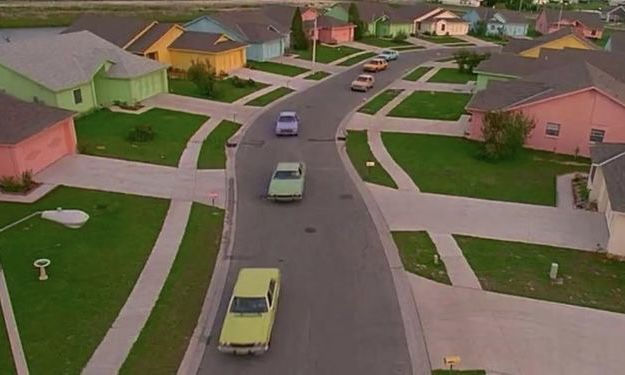
Liminal spaces have continued to pop up in media for the past few years. While nostalgia content has been on the rise, the combination with liminal spaces provided a new perspective. Vibrant colors, unsettling visuals, symmetry, and the feeling that something is not quite right birthed a potential new genre: Dreamcore.
While primarily an aesthetic, Dreamcore evokes the feeling of childhood fever dreams. Fantasy merging with the avant garde. To my knowledge, a film that centers on Dreamcore has yet to be created. That doesn't stop us from finding inspiration in existing films.